
Choosing the right casting method is critical to product quality, cost control, and performance. Two of the most common methods are investment casting and sand casting.
In this guide, we compare both processes to help you determine which is best for your project.
What is Investment Casting?

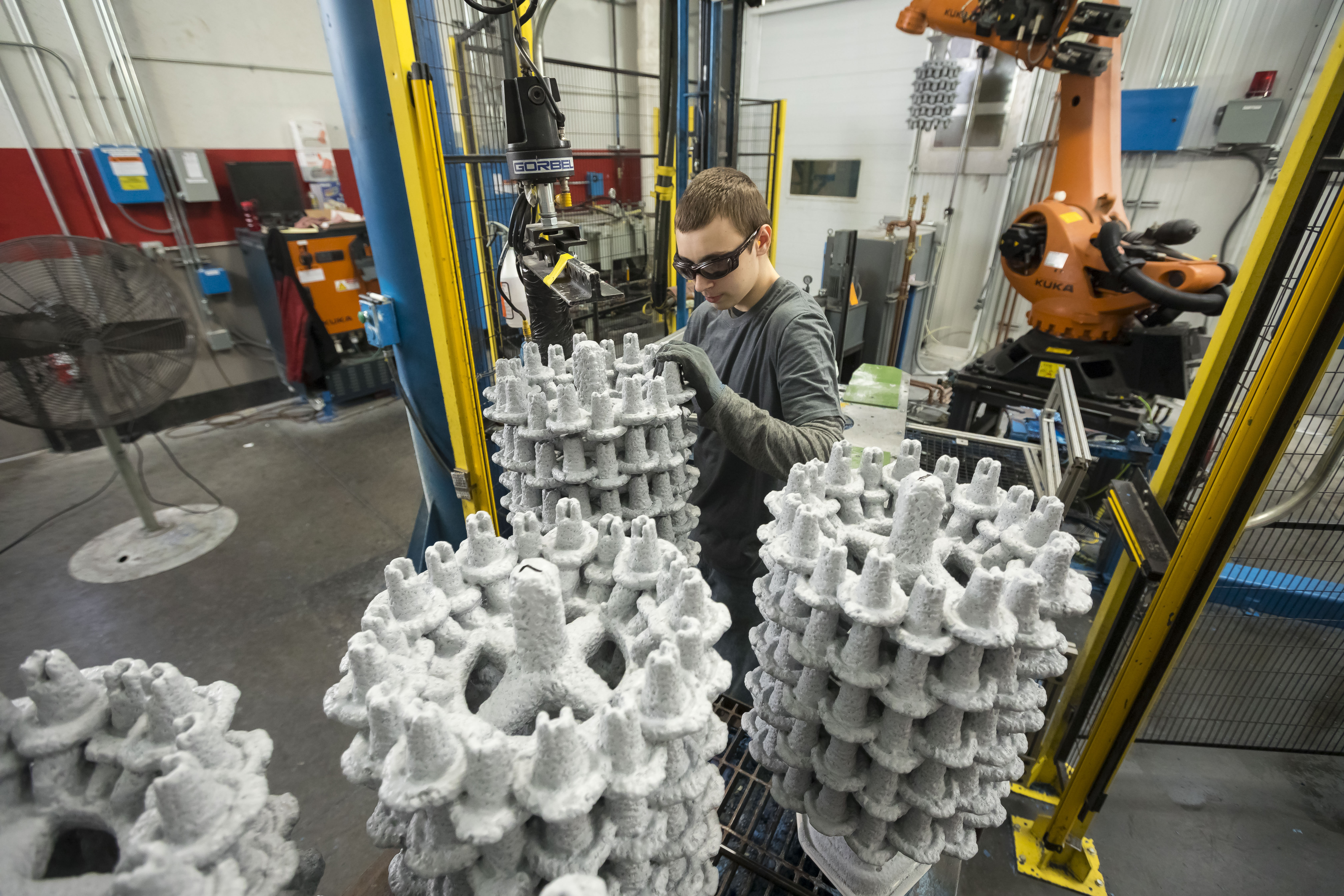
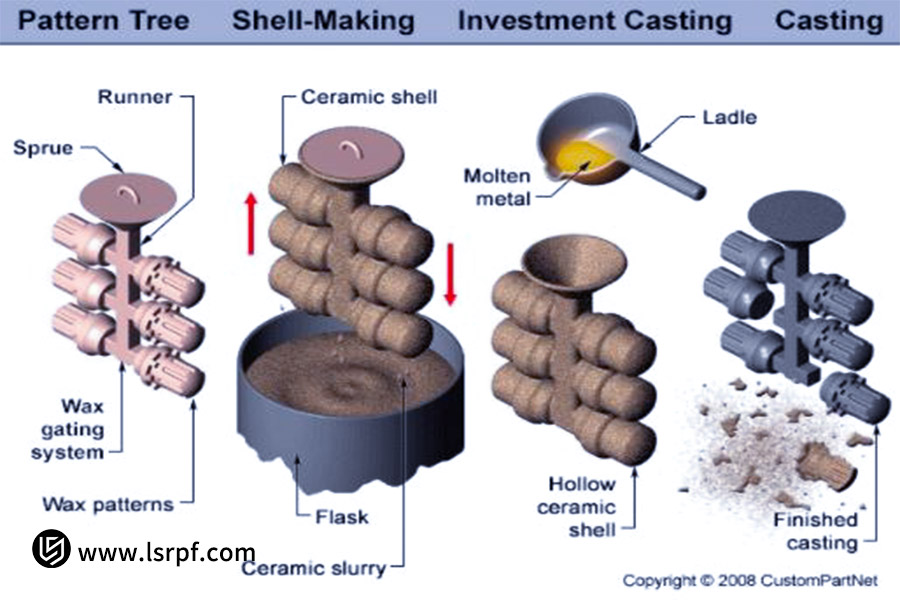
Key Steps:
- Wax pattern creation
- Assembly into a tree
- Ceramic shell building
- Dewaxing
- Metal pouring
- Finishing and inspection
Advantages:
- High dimensional accuracy
- Smooth surface finish (less machining needed)
- Ideal for complex shapes
- Suitable for stainless steel and alloy steel
Learn more about our process:
Investment Casting Process | Precision Casting Manufacturer
What is Sand Casting?
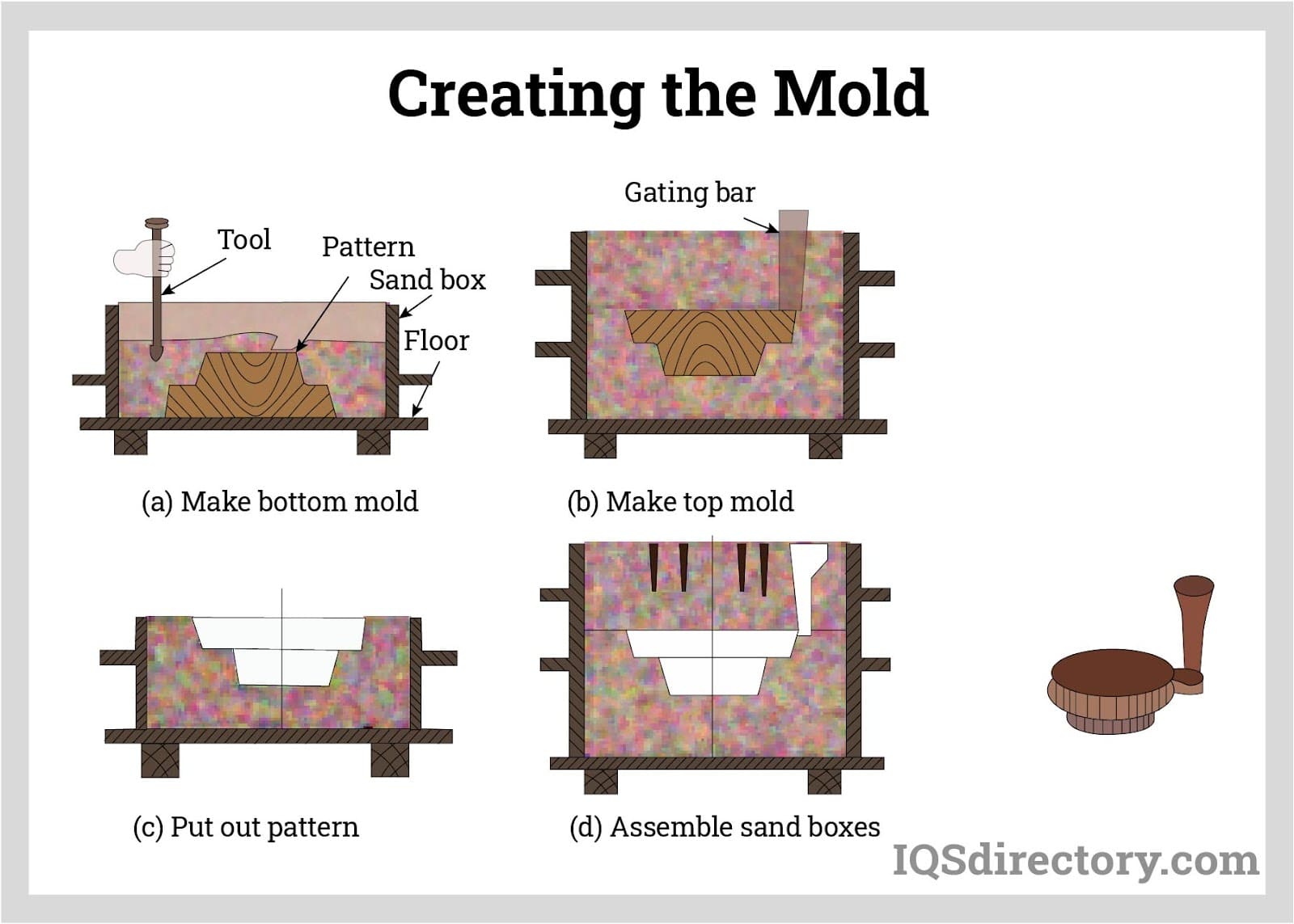
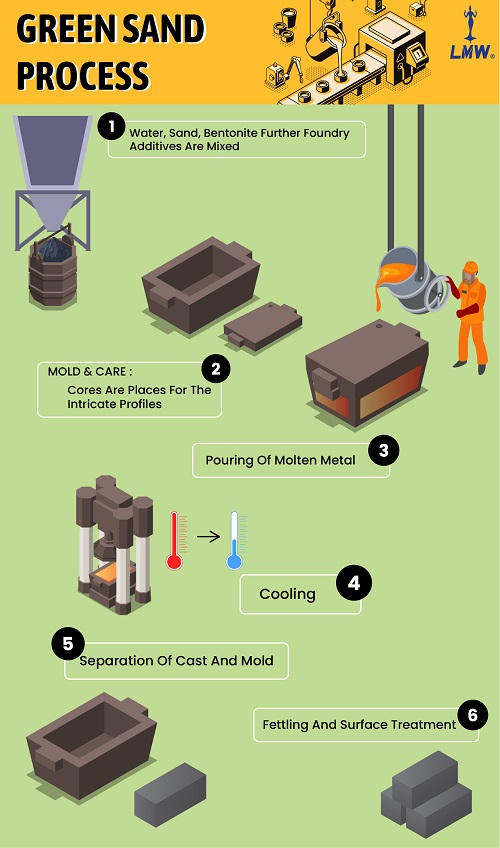
Sand casting is one of the oldest and most widely used casting methods. It involves pouring molten metal into a sand mold.
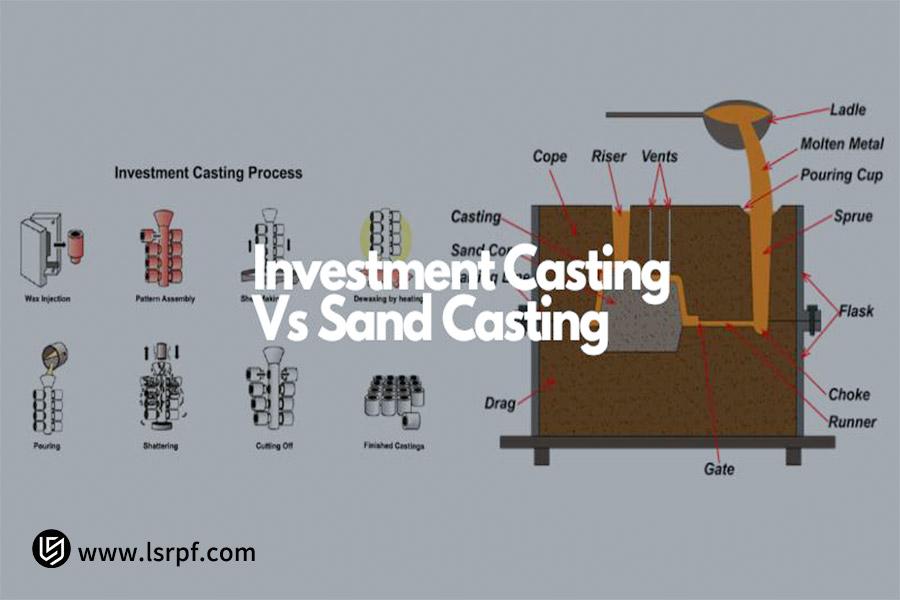
Key Steps:
- Pattern making
- Sand mold preparation
- Metal pouring
- Cooling and solidification
- Sand removal and cleaning
Advantages:
- Lower tooling cost
- Suitable for large parts
- Flexible for low-volume production
- Wide range of metals
Investment Casting vs Sand Casting – Key Differences

| Feature | Investment Casting | Sand Casting |
|---|---|---|
| Accuracy | Very high | Moderate |
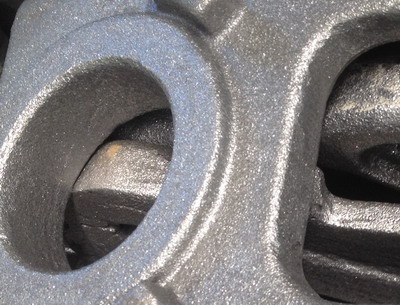
| Surface Finish | Smooth | Rough |
| Complexity | Excellent for complex parts | Limited |
| Tolerance | Tight | Loose |
| Tooling Cost | Higher | Lower |
| Production Volume | Medium to high | Low to medium |
| Post-processing | Minimal | Often required |
H2: When to Choose Investment Casting
Choose investment casting if you need:
- High precision components
- Complex geometries
- Smooth surface finish
- Reduced machining cost
- Consistent quality in mass production
Typical applications:
- Automotive parts
- Pump and valve components
- Aerospace components
- Industrial machinery
When to Choose Sand Casting
Choose sand casting if you need:
- Large components
- Low tooling cost
- Small production batches
- Simpler shapes
Typical applications:
- Engine blocks
- Heavy equipment parts
- Large structural components
Which Casting Method is Better?
There is no one-size-fits-all answer.
- Investment casting is better for precision and surface quality
- Sand casting is better for cost and large parts
In most modern industries, investment casting is preferred for high-performance and high-quality components.
Why Choose Our Investment Casting Services
At Aohai, we combine advanced automation and experienced craftsmanship to deliver high-quality castings.
Our Advantages:
- Automated wax injection systems
- ABB robotic shell-making line
- Strict quality inspection (CMM, visual checks)
- Stable and repeatable production
- Finishing services: polishing, machining, coating
Explore our capabilities:
https://aohai.org/
FAQ
Q1: Is investment casting more expensive than sand casting?
Yes, initial tooling costs are higher, but it reduces machining and improves efficiency in mass production.
Q2: Which casting method gives better surface finish?
Investment casting provides a much smoother surface compared to sand casting.
Q3: Can sand casting achieve high precision?
Not as high as investment casting. It usually requires additional machining.
Q4: What materials can be used in investment casting?
Common materials include stainless steel, carbon steel, and alloy steel.