Metal Pouring in Investment Casting
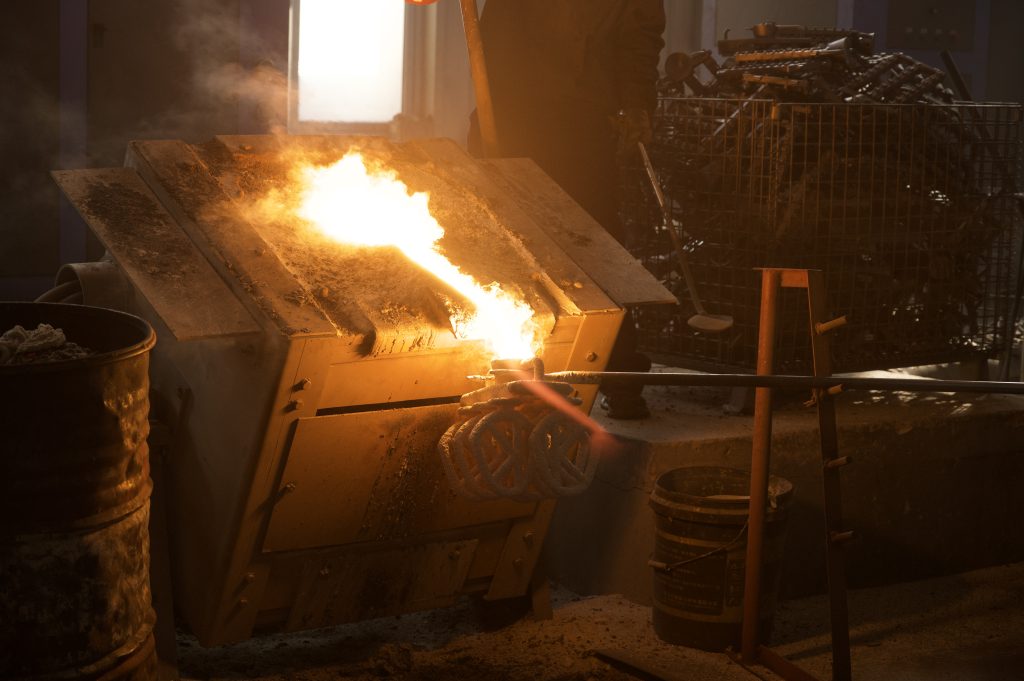
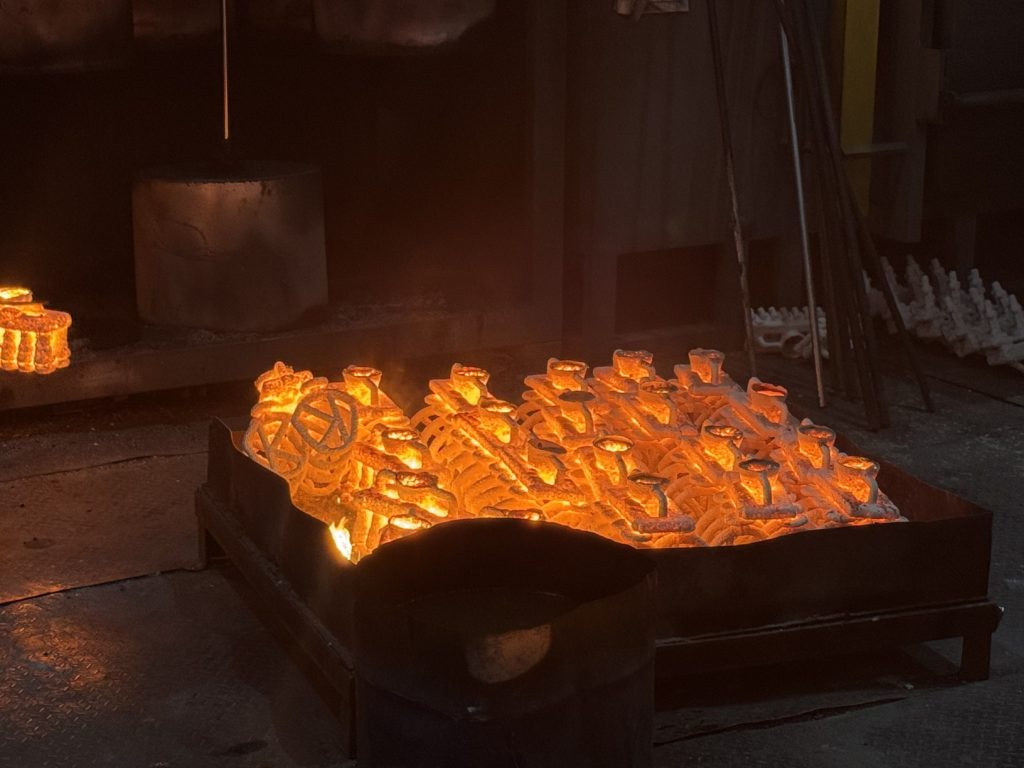
Metal pouring in the investment casting process is a critical step that determines the final quality of the casting. In this stage, we pour molten metal into the ceramic mold under controlled conditions. As a result, we ensure complete mold filling, strong structure, and consistent casting performance.
This is the step of investment casting process.
What is Metal Pouring in Investment Casting?
Metal pouring is the process of filling molten metal into the ceramic mold. In this step, we control temperature and flow to ensure proper casting results.
Melting Process
We melt metal using controlled furnaces to reach the required temperature. This ensures proper fluidity and material performance.
Pouring Process
We pour molten metal into the ceramic mold carefully. We control pouring speed and temperature to ensure smooth filling and avoid defects.
Why Metal Pouring Matters
- Ensures complete mold filling
- Prevents defects such as porosity
- Improves mechanical properties
- Affects final product quality
Why Choose Our Casting Process
- Precise temperature control
- Stable pouring system
- Experienced operators
- High production consistency
Our Casting Equipment & Production Capacity
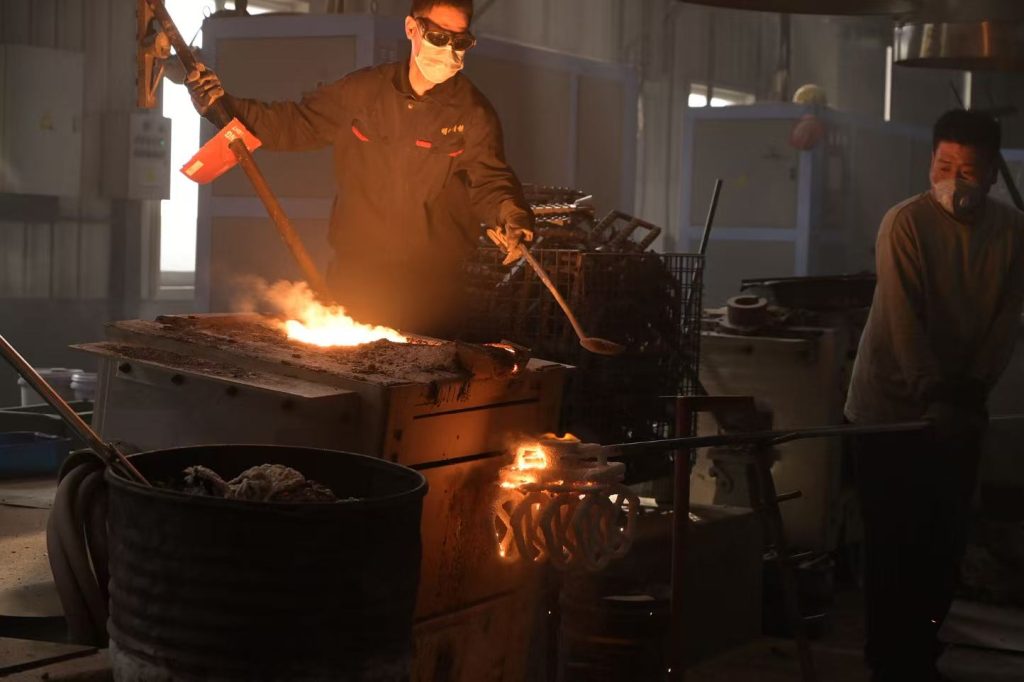
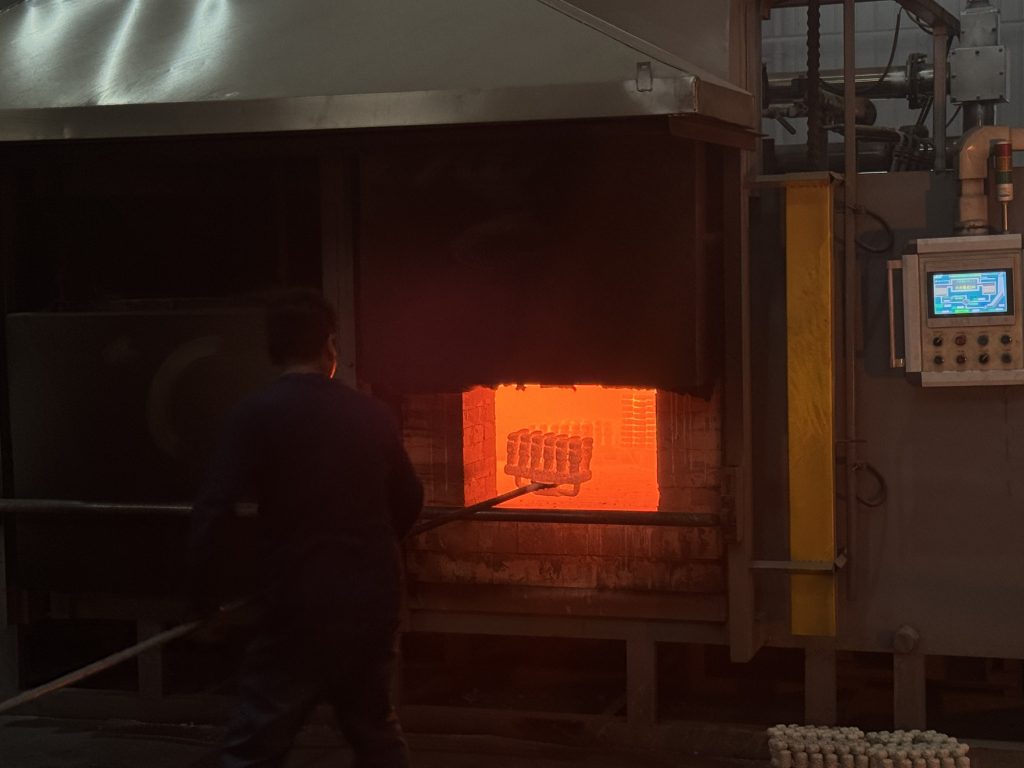
We are equipped with advanced facilities to support stable and efficient metal pouring in the investment casting process.
- Six melting furnaces ensure stable and continuous metal supply
- Three calcination furnaces provide controlled heating and shell preparation
- Three tilting pouring systems ensure safe and precise metal pouring
As a result, we achieve consistent casting quality and reliable production capacity for both standard and complex components.
FAQ
| Question | Answer |
|---|---|
| What is metal pouring in investment casting? | Metal pouring is the process of filling molten metal into a ceramic mold. This step forms the final shape of the casting. |
| Why is metal pouring important in investment casting? | It ensures the mold fills completely and helps avoid defects such as air pockets and weak structure. |
| What temperature is used in metal pouring? | The temperature depends on the material, but it must be high enough to keep the metal fluid during pouring. |
| How do you control quality during metal pouring? | We control temperature, pouring speed, and timing to ensure stable and consistent results. |
| What defects can occur during pouring? | Common defects include porosity, misruns, and surface imperfections if the process is not well controlled. |
| What metals can be used in investment casting? | Common materials include carbon steel, stainless steel, alloy steel, and other special alloys. |