Forging vs Investment Casting

What is Forging vs Investment Casting?


https://images.openai.com/static-rsc-4/tv3v_YdDH9qUZyueNgYsTlYb3Pjn8-9PYOc9kvWsy2TmjcaQybEAtOlLzetWCwE7xe26Ppqwuikyub0WCOA_MjXxNya1co75HA1DKLlRhRw9v9VRb1N_qra-OaMAgP6ZzCxmiI_sYJI4hPRz42fixGb8sVTlC6oUbBJmB-GyDkBqSFCxnMs8dmn8LtlzXYEb?purpose=fullsize
 

When comparing forging vs investment casting, both processes are widely used to produce metal parts, but they serve different purposes.

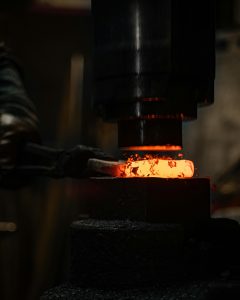
Forging uses compressive force to shape metal, resulting in very strong parts.
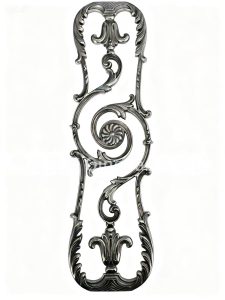
Investment casting uses a wax pattern and ceramic shell to produce precise and complex shapes.


Key Differences

The difference between the surface of casting and forging
 
forging vs investment casting comparison
FeatureForgingInvestment Casting
StrengthVery HighHigh
Shape ComplexityLimitedExcellent
Surface FinishRoughSmooth
MachiningMore requiredLess required

Forging: Strength Comes First

 
Forging Process
forged steel part rough surface
 
Forging is ideal for parts that require maximum strength and durability.
  • Superior mechanical strength
  • Better internal grain structure
  • Suitable for load-bearing applications

Limitation:

  • Limited design flexibility
  • More machining required

Investment Casting: Precision and Flexibility
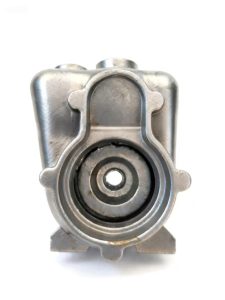
 
investment casting stainless steel part smooth surface pump component investment casting part smooth surface vs forging comparison pump housing

Investment casting is best for complex and high-precision components.

  • Excellent surface finish
  • High dimensional accuracy
  • Complex shapes possible
  • Reduced machining

How to Choose


Choose forging if:

  • You need maximum strength
  • The design is simple

Choose investment casting if:

  • The part is complex
  • Surface finish matters
  • You want to reduce machining cost

Cost Insight

Many buyers compare forging vs investment casting based on price.

However, forging often requires more machining,
while investment casting produces near-net-shape parts.

In many cases, investment casting reduces total cost.


Get a Quote

Not sure which process is right?

Send us your drawing and we will recommend the best solution.

Common questions about forging vs investment casting

QuestionAnswer
What is the main difference between forging vs investment casting?The main difference is strength and design flexibility. Forging produces stronger parts, while investment casting allows complex shapes and smoother surfaces.
Is forging stronger than investment casting?Yes, forging generally provides higher strength. However, investment casting offers sufficient strength for most applications.
Which is more cost-effective, forging or investment casting?It depends on the part. Forging may require more machining, while investment casting can reduce total cost for complex parts.
When should I choose investment casting instead of forging?Choose investment casting for complex geometry, smooth surface finish, and reduced machining.
When is forging a better choice?Forging is better for high-strength structural parts with simple designs.
Does forging require more machining?Yes, forged parts usually need more machining, while investment casting often produces near-net-shape parts.

Leave a Comment

Your email address will not be published. Required fields are marked *

Scroll to Top