Introduction
Sustainable investment casting is no longer a future goal — it is today’s manufacturing standard. Customers, regulators, and investors all demand lower carbon emissions, less waste, and cleaner production.
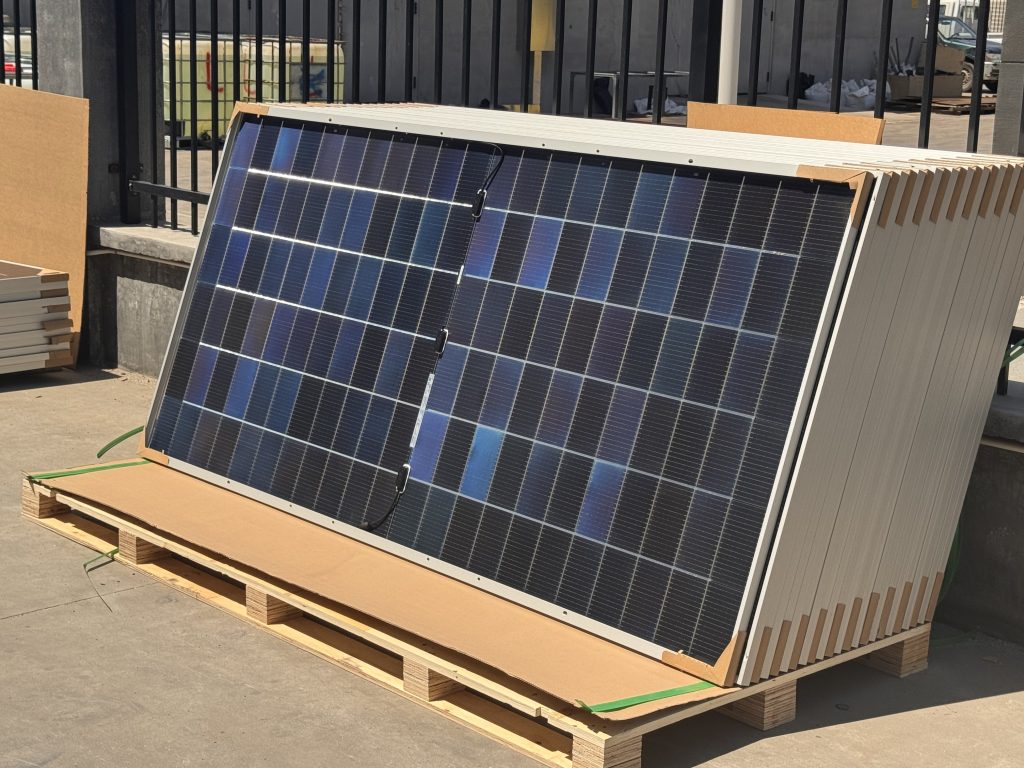
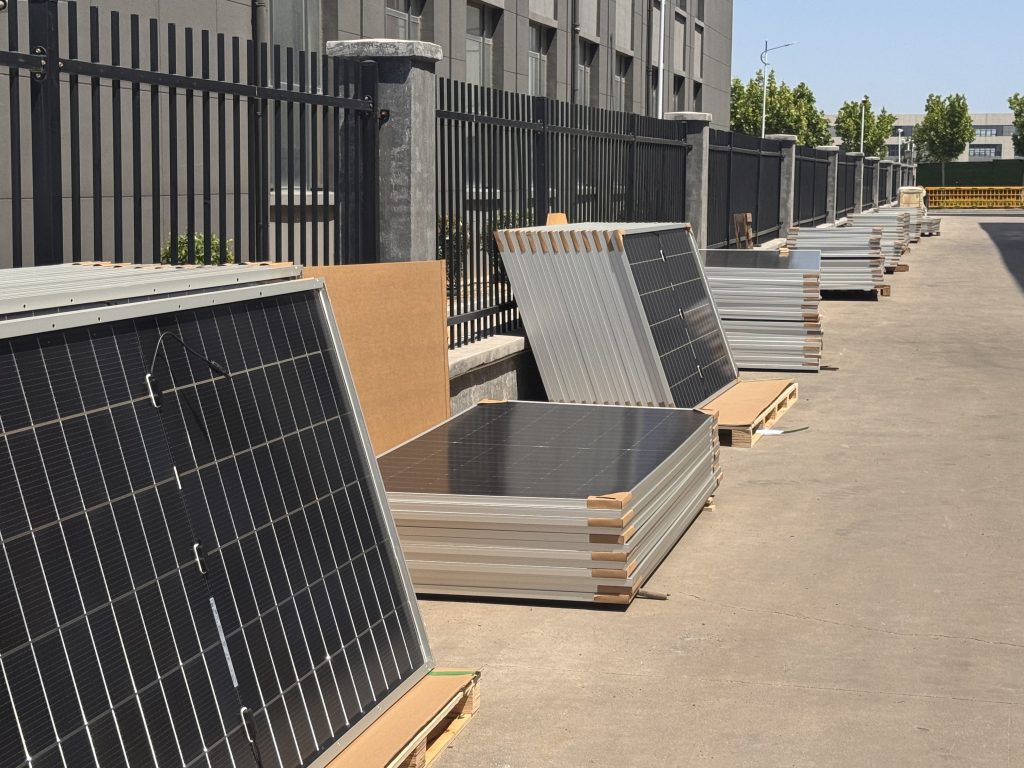
Traditional investment casting is energy-intensive. But when you combine sustainable investment casting with solar power for foundry, the results are dramatic: lower costs, reduced carbon footprint, and a stronger market position.
This article shows how a real 5,000㎡ green foundry achieves low carbon casting, PV for casting factory, and true eco friendly investment casting — without sacrificing quality or delivery.
What Is Sustainable Investment Casting?
Sustainable investment casting means producing high‑precision metal parts while minimizing environmental impact. It includes:
Using renewable energy instead of fossil fuels
Recycling wax, water, and shell materials
Reducing CO₂ per tonne of castings
Improving energy efficiency across all processes
Unlike traditional casting, sustainable investment casting treats environmental responsibility as a core design parameter — not an afterthought.
Why Sustainable Investment Casting Matters Now
Three forces are driving the shift toward low carbon casting:
1. Customer Demand
Global OEMs in solar, automotive, and medical industries now require suppliers to report carbon footprint data. Foundries without a green foundry strategy risk being excluded from bids.
2. Rising Energy Costs
Electricity and gas prices have risen sharply. Solar power for foundry operations directly reduces exposure to grid price volatility.
3. Regulation
Carbon taxes, emission caps, and mandatory ESG reporting are coming to more regions. Early investment in sustainable investment casting creates a compliance advantage.
Solar Power for Foundry: The Core of Green Transformation
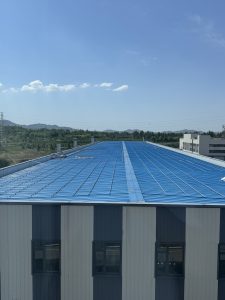
The single most impactful step toward sustainable investment casting is installing rooftop solar PV.
A Real 5,000㎡ Green Foundry Example
A typical investment casting factory with 5,000㎡ of rooftop can achieve the following (Regarding as the GHG Protocol):
| Parameter | Value |
|---|---|
| Installed PV capacity | 500–600 kW |
| Annual solar generation | 500,000–600,000 kWh |
| CO₂ reduction per year | 300–360 tonnes |
| Payback period | 3.5 – 4 years |
What Can Solar Power Run in a Foundry?
With PV for casting factory, solar electricity can directly power:
Shell drying lines
Compressed air systems
Wax recycling equipment
Dust collection and ventilation
Auxiliary heating for baking furnaces
Office and warehouse lighting
When combined with battery storage, solar can also support induction melting during daylight hours — a major step toward low carbon casting.
Beyond Solar: Six Pillars of Sustainable Investment Casting
Solar power is essential, but true sustainable investment casting requires a system‑wide approach. Here are six complementary practices.
1. Wax Recycling (95%+ Recovery Rate)
Investment casting uses wax for patterns. A green foundry reclaims, filters, and reuses wax repeatedly. This reduces raw material costs and eliminates wax waste.
2. Water Conservation & Closed‑Loop Systems
Shell building and cleaning consume large amounts of water. Eco friendly investment casting includes:
Closed‑loop water circulation
Rainwater collection for cooling
Low‑moisture shell slurries
3. Low‑Emission Shell Materials
Modern colloidal silica binders release fewer volatile organic compounds (VOCs) than older technologies. This is a simple win for sustainable investment casting.
4. Heat Recovery from Baking Furnaces
Baking furnace exhaust gases are typically 300–500°C. Instead of wasting this heat, a green foundry can:
Preheat combustion air
Dry shell layers
Heat workshop spaces in winter
Heat recovery reduces gas consumption by 10–15%.
5. Electric Melting with Solar + Storage
Induction melting is the largest electricity consumer. By integrating solar power for foundry with battery storage, a factory can:
Melt during peak solar hours
Reduce grid demand charges
Lower carbon footprint per tonne of castings
6. Carbon Footprint Measurement & Reporting
You cannot improve what you do not measure. Casting carbon footprint reduction starts with:
Monthly energy audits (electricity, gas, diesel)
Tracking CO₂ per kilogram of castings
Reporting to customers and certification bodies
Renewable Energy in Metal Casting: A Broader View
Renewable energy in metal casting is not limited to solar. Depending on location, foundries can also use:
Wind power (via green energy procurement)
Biomass for shell baking
Green hydrogen for zero‑carbon baking (emerging technology)
However, rooftop solar remains the most accessible and financially attractive option for most small to mid‑sized foundries.
Casting Carbon Footprint Reduction: Real Numbers
Let’s look at the actual impact of sustainable investment casting on a 5,000㎡ green foundry producing 500 tonnes of stainless steel castings per year.
Before Green Measures
| Metric | Value |
|---|---|
| Grid electricity | 2,400,000 kWh |
| CO₂ from electricity | ~1,440 tonnes |
| Natural gas for baking | ~80,000 m³ |
| CO₂ from gas | ~150 tonnes |
| Wax waste | 12 tonnes |
| Total annual CO₂ | ~1,600 tonnes |
After Implementing Sustainable Investment Casting
| Improvement | CO₂ Reduction |
|---|---|
| Rooftop PV (550,000 kWh/year) | 330 tonnes |
| Heat recovery on baking furnace | 20 tonnes |
| Wax recycling (95%) | indirect (material savings) |
| Solar‑assisted melting | 80 tonnes |
| Total annual CO₂ reduction | ~430 tonnes |
Final carbon footprint per tonne of castings drops by approximately 27% — a significant achievement for low carbon casting.
Eco Friendly Investment Casting = Competitive Advantage
Some foundries worry that eco friendly investment casting is expensive. The opposite is true.
Business Benefits of a Green Foundry
Higher customer retention – ESG‑focused buyers prefer green suppliers
Better pricing power – customers pay a premium for verified low carbon casting
Lower operating costs – solar, recycling, and heat recovery all save money
Regulatory readiness – ahead of carbon taxes and emission caps
Easier hiring – younger workers want to work for a sustainable manufacturing foundry
Sustainable Manufacturing Foundry: A Complete Definition
A sustainable manufacturing foundry is not just one that uses solar panels. It is a factory that:
Designs processes for minimal waste
Measures and continuously reduces its carbon footprint
Uses renewable energy in metal casting wherever possible
Recycles wax, water, and sand
Provides carbon transparency to customers
Sustainable investment casting is the method. A sustainable manufacturing foundry is the result.
Solar Powered Foundry: The Future Is Already Here
The term solar powered foundry may sound futuristic, but it is already operating in multiple countries. For a 5,000㎡ factory, a 500–600 kW solar array is a practical, bankable investment with a proven payback.
When you combine solar with:
Wax recycling
Heat recovery
Low‑emission shell materials
Carbon measurement
…you move beyond “green marketing” into genuine sustainable investment casting.
Conclusion: Start Your Sustainable Investment Casting Journey Today
Sustainable investment casting is not a trend. It is the new baseline for the foundry industry.
If you operate a 5,000㎡ green foundry, here is a simple 5‑step roadmap:
Measure your current electricity, gas, and carbon footprint
Install rooftop solar PV (500–600 kW)
Implement wax recycling and water conservation
Add heat recovery to baking furnaces
Report your casting carbon footprint reduction to customers
Every step saves money. Every step reduces emissions. Every step makes your foundry more competitive.
Sustainable investment casting + solar power for foundry = lower costs, lower carbon, and a stronger future.